


On Thursday 17th February 2022, I had the pleasure of visiting the ARRI LED studio in Uxbridge, London for a talk and viewing of this state of the art method of virtual production which has notably been used in the popular Star Wars spin of series “The Mandalorian” on Disney Plus.
Upon arrival, I entered the reception area in awe at the ARRI cameras in display cabinets that had been used to shoot some of cinema’s most iconic movies. After signing in, I entered into a huge sound stage which featured two curved walls made up of 1, 125 square feet of LED panels, with the main curve spanning 98.4 feet in length and 16.4 feet in height. Also suspended from the gallery above was a tilt-able screen that could be lowered and manoeuvred as desired.
The principle of this green screen alternative is simple and examples of less advanced models of this method are demonstrated through projecting moving images on a screen normally used for scenes in which the character is driving. Here’s an example of this method used in the first 007 film, Dr No:

By using a 360* fixture of vivid LED panels in the ARRI studio, actors are now able to be immersed in the environment they are performing in and actually see what their character is looking at instead of just looking at a green screen. This not only results in a more realistic performance but generates realistic lighting effects in reflections on the subject. Hence the use of an LED screen on the ceiling, which was demonstrated with a Ferrari, with its bonnet and windscreen reflecting the street lamps while the background depicted footage of a motorway at night. This had a realistic effect, making it look as if the car was actually moving on the road. The problem with LED technology’s predecessor is that if you want a to move the camera or use a different angle, the image can not move with the camera. The technology used in the ARRI studio eradicates that problem.
The system uses “Unreal Engine”, a type of video game design software used to generate real-time, automotive and architectural visualisations. The programme can create realistic images, that move with the camera’s field of view (frustum), this means that motion tracking cameras can achieve the same camera movements on the virtual set as they could on location/constructed set. It’s also important to note that through the system’s use of motion sensors, the virtual images actually replace the LED backdrop, in footage in the same way as green screen in the final product.
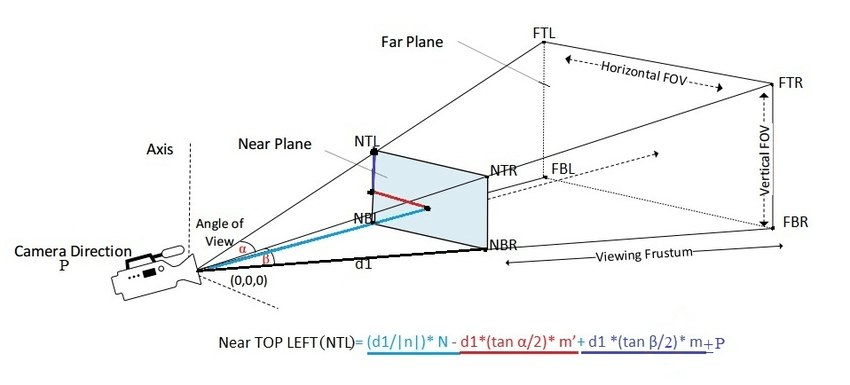
Art departments can blend the virtual with the real in this studio by constructing sets, and placing down floor terrain within the space, which can also help to create cast realistic shadows and it is recommended that lighting designs still use traditional studio lighting to illuminate subjects correctly. The great thing is how flexible the space is, single LED panels are able to be taken out and a light put in its place.

While in the studio I was shown a demonstration of its capabilities with a magical moving image or northern lights and a luscious view from a clifftop forrest.
So what does it take to hire this place out? Well… it comes at a hefty price of approximately £250,000 pounds a week but it might just be worth it as it is highly regarded for timesaving on productions and filming lots of content in one go, without needing to hire and travel to locations. Its also the perfect place for pick-ups and is often used for scenes in which actors are travelling in vehicle as an easier, more safety efficient option.
I had a great time visiting the studio and have come away excited about what the future has in store for filmmaking technology.
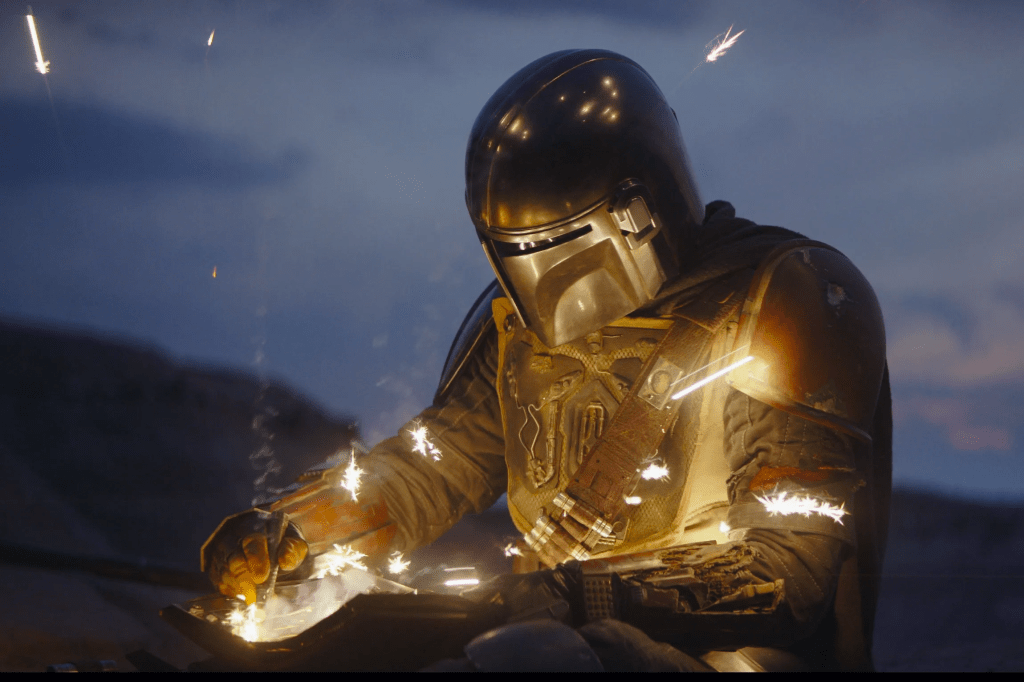
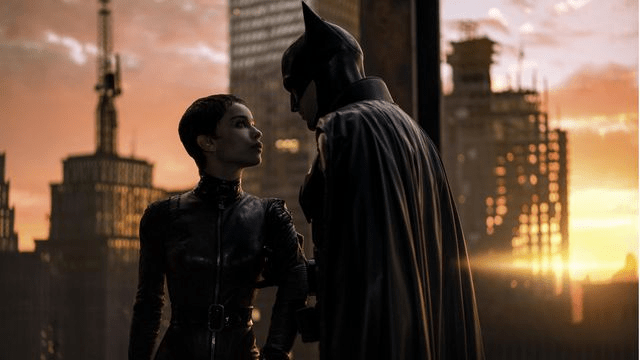
PS: Here’s a few shots I like, that have been filmed in the studio…

 WILL HEXTALL
Leave a comment